|
 |
 |
 |
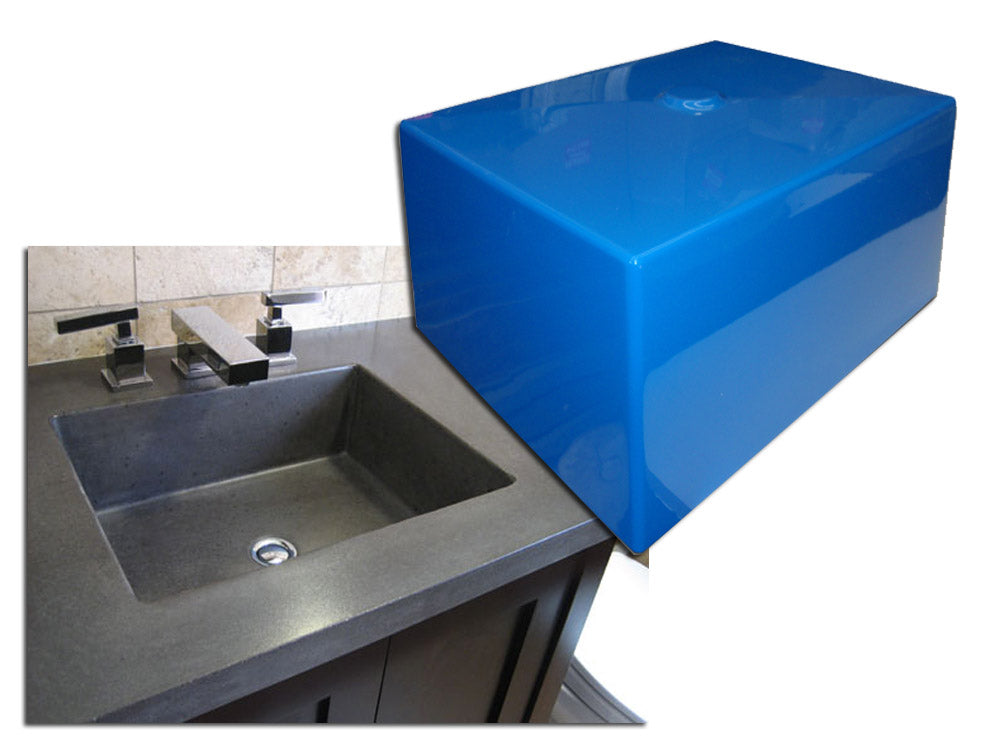
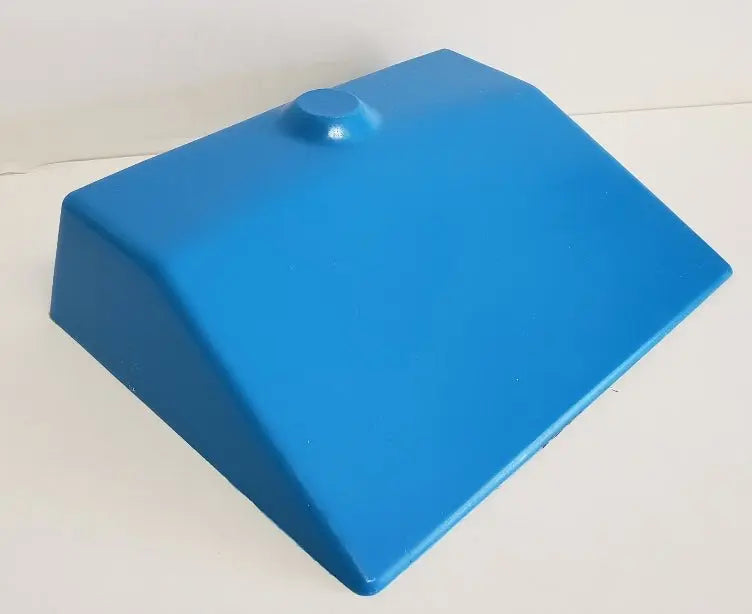
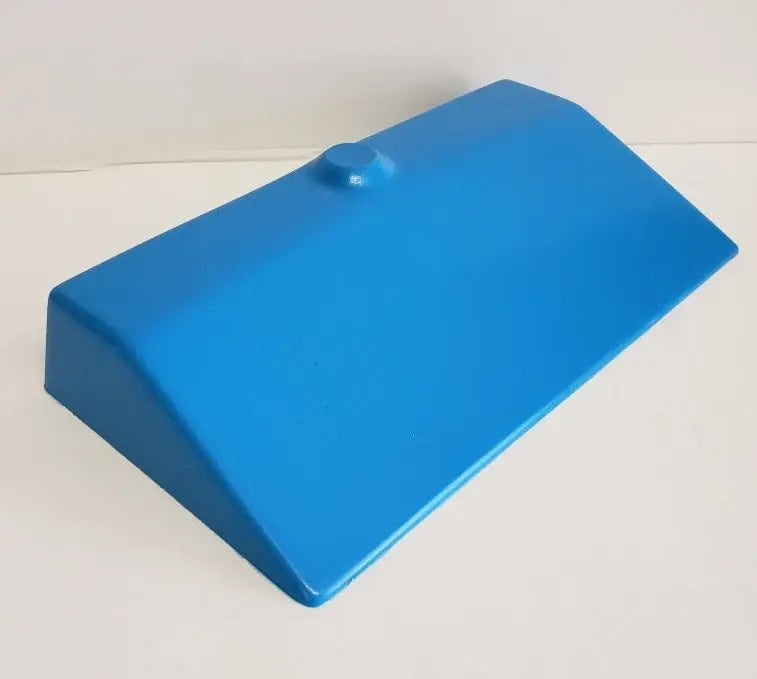
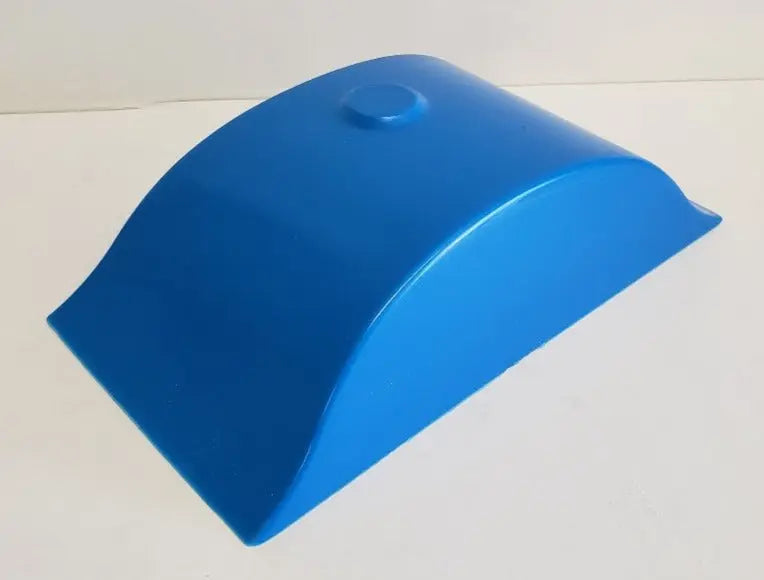
Product Description:- The 'Vessel 18" Square' Sink Molds for concrete sink fabrication.
- The Vessel 18" Square Molds create a square, deep vessel sink. Can be used as a sink, foot soaking basin, hair salon washing sink, etc.
- A two part mold- Includes the Inner Square Mold (also sold individually), and Outer Vessel 18" Square Shell Mold.
- The Inner Mold can be used alone to make integral sinks. If you already have the Inner Mold, you can just order the outer shell Mold from the drop-down menu above.
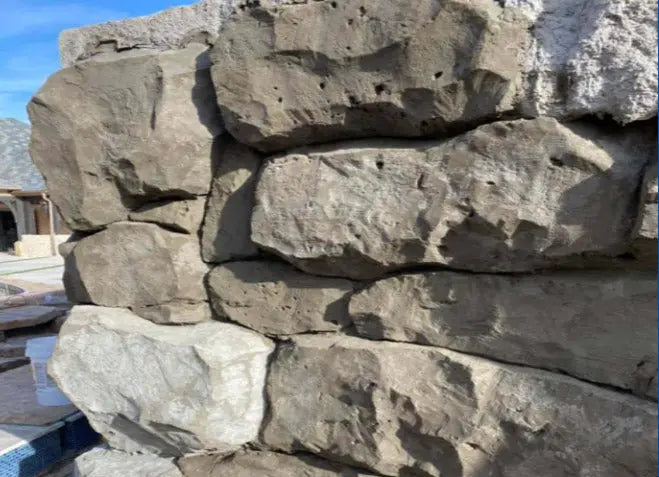
- Vessel Molds can easily turn leftover concrete into revenue earning concrete sinks.
- Small style drain for bathroom lavatory size drains.
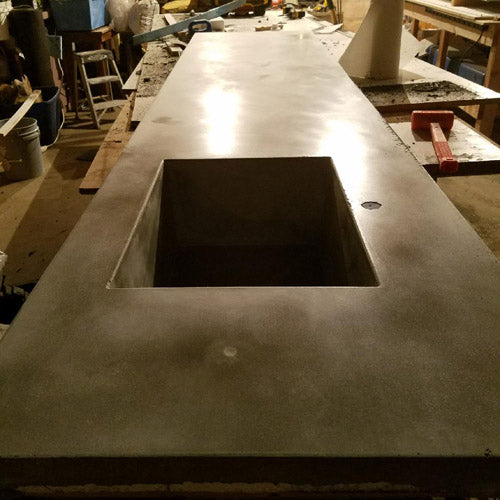
- Create a seamless integral concrete sink and counter top, or form around to create a vessel sink.
- Dura-BLU fiberglass Molds are reusable indefinitely with proper care.
- Dura-BLU molds have the highest grade Industrial Gelcoat finish.
- Dura-BLU Molds are made using the strongest commercial-grade resin, NOT out of GP (General Purpose fiberglass resin).
Warranty Information:- All Dura-BLU Molds have Lifetime Guarantee against defect. This Guarantee does not cover misuse of the Molds (Dropping the Mold, Prying the Mold out using a screwdriver, Driving onto it with a truck tire... etc.).
- Expressions LTD will not be held liable for any damage, misuse, or collateral damages resulting from use of any of our products. If there is a flaw or defect with a product, we will fix or replace the product.
Product Specifications: - Vessel 18" Square Sink Mold Measurements:
- Inner Mold:
- Outer Mold:
- *Depth
can be adjusted by trimming/sanding down the Mold to your desired
depth, but you may lose the Internal Flange that is in the Dura-BLU
Molds if you trim very much.
- Sides to Dura-BLU Molds have at least a 5° slope to ensure Mold removal from concrete.
Mold Use:
- Watch videos of Mold Setup, Casting, and De-Molding/Removal on our Video Page.
- A basic Sink Mold Instruction sheet is available here.
Mold Setup:- IMPORTANT!
Most customers will want to take a Scotch-Brite pad (or about a 200
grit sandpaper) and lightly buff the Dura-Blu Mold prior to use. This
scuffing of the surface will allow the Mold Release Wax to stick onto
the Mold better, and help prevent excessive sticking to the concrete
when de-molding. Dura-Blu Molds are shipped with a high-gloss gelcoat
finish for those who require a mirror-like finish in the concrete
sink... but who are usually prepared for a more difficult time removing
the mold!
- Apply 2-3 coats of a Mold Release Wax (sold here) to both Inner and Outer Molds, lightly buffing between coats once it hazes.
- Apply small amounts of silicone to the Inner Mold's rim, and set in place in your form (on melamine, glass, or other smooth surface). Allow silicone to dry.
- Screws
can be used to secure the Inner Mold if necessary. Using screws of the
appropriate length, screw through the bottom of the form, up into the
Internal Flange of the Sink Mold.
- Run a smooth silicone bead
around perimeter of the Inner Mold, where it meets the form base (using a
tool such as our Caulking Ball Tool makes this process very clean and
easy). Silicone a Disposable Foam Drain Knockout (supplied with Mold),
or Reusable Rubber Knockout, on to the Inner Mold. Allow silicone to dry.
- Apply a thin coat of Fiberglass Safe Form Release (sold here) to the Inner and Outer Molds.
- Using a drill and drill bit, pre-drill some screw holes in the Outer Mold flange.
- Using a pencil, create marks on your form base at 1.5" around the Inner Mold.
- Place the Outer Mold over the Inner Mold, and look through the fill-hole on the Outer Mold to equally align the Outer Mold over the Inner Mold (gauge off the pencil marks just made). Once set, you may want to make a few marks on the Outer Mold so it can be easily re-aligned.
- Remove the Outer Mold, and apply a small thin bead of silicone all the way around the rim, approx. 1/2" away from the inner edge of the Mold. Re-place the Outer Mold over the Inner Mold, and ensure it is still properly aligned with the pencil marks.
- Secure the Outer Mold to the form base with screws.
Concrete Casting:
- Typically for concrete countertops, the concrete mix should be an oatmeal consistency. To fill a two part vessel mold, the thicker concrete may not flow easily, and will create a larger-than-normal amount of air pockets and voids. A slightly runnier consistency to the concrete will usually work better with filling a two-part vessel sink.
- Vibrating the concrete either with a specialized vibrator or vibrating table is recommended. Fast, light tapping on the Outer Mold with a rubber mallet while filling the Molds with concrete will help remove many air pockets.
- If a drier concrete mix is used, it will create larger voids which can be the desired effect- usually when planning to fill the voids with cement slurry of a different coloring.
- Any voids in the finished concrete can be filled using a cement slurry (sold here).
- Mix your own slurry by mixing Portland cement, Cenospheres (sold here), and water (or water/Polyplex mix).
Mold Removal:- If the steps above were followed for the Mold Setup, then most Molds will usually pull out of the concrete with little effort.
- If the mold is difficult to remove, try:
- Compressed air shot around the Mold rim will break the suction holding the Mold in the concrete.
- Adding cold water and ice to the inside of the mold for 10 minutes will shrink the mold just enough that removal is easier.
- Using
a few blocks of foam against the concrete, place a 2x4 across the Mold,
and pry the Mold out using some large C-clamps, or wood working
clamps. Do not over-tighten the clamps, just put some pressure on them
and then resume shooting compressed air around the Mold's rim. Add a
little more pressure to the clamps, and repeat the air until the mold
comes free.
- Most Molds can be pushed out of the concrete by
removing the drain hole plug, and pushing the Mold out through
the drain hole.
Mold Clean-up and Care:- Clean
Mold with a sponge after each use. Any dried cement residue can be
removed with a scotch-brite pad (as outlined above in the Mold Setup
section. A light muriatic acid wash (20:1, 20 parts water to 1 part
muriatic acid) can also remove cement scale.
- Waxing and buffing the Mold
after cleaning it use is recommended to protect the Mold until its next use.
- Damage:
Any damaged areas (chips, scratches, imperfections, etc.) can be
repaired using 2-Part epoxy (available for a few
dollars at any hardware store- comes in a double syringe). Mix the
epoxy, clean the damaged area and apply the epoxy to the damaged area. Sand smooth when dry. Wet sanding
the Mold will return the damaged area to a high gloss if desired. Bondo
can also be used, although it usually won't stick to the Mold as strong
as epoxy will.
|
|
 |
 |
 |
 |
 |
 |
 |
 |
 |
 |
 |
Shipping Information:
- Usually ships within 1-2 business days.
- Most orders ship the same day ordered.
|
|
 |
 |
 |
 |

|